Spices in Arabic Cuisine
Thyme is proven to have anti-parasitic,
antibiotic and anti-spasmodic properties.
 |
| Thyme |
Oregano is one of the most
common spices in the Arabic and Mediterranean cuisine, also rich in Anti
Oxidants that helps prevent certain cancers. Best to use in any tomato based
dishes.
 |
| Oregano |
Basil is also known as Rihan or Habaq. Basil has a strong flavor and
regularly used in salads and stews in Arabic cuisine. Arab’s use it in cooking
as a flavoring herb in marinades for fish, lamb and in simmered meat. These are
often fibered onto skewers in the middle of meat and fish.
 |
| Basil |
Sumac used as a souring
agent in the Levant and Arabic cuisine. A regular consumption of the spice
promotes healthy digestion.
 |
| Sumac |
Sesame seeds have a semi sweet
nutty flavor. The seeds are always present in breads and pastries in Arabic
cuisine. It is grounded until it forms into a thick paste and is mixed to ground
chickpeas to form Hummos Tahini.
 |
| Sesame |
Za’atar is a combination of
these 4 spices (thyme, oregano, sesame seeds, sumac) with an olive oil. Za’atar
is a very healthy dip eaten with Pita Bread. Arabs believe that it helps to digest
the heaviness of the bread.
 |
| Za'atar |
Cardamom is whole seed is
peeled and mixed to a warm cup of coffee. Cardamom is an essential ingredient
to Arabic and Turkish coffee. It is believed to enhance appetite and helps
people suffering from Halitosis.
 |
| Cardamom |
Cinnamon is another healthy
spice that is used in Arabic cuisine. It is very beneficial to those who have
Diabetes as it slows down the absorption of sugars to blood stream.
 |
| Cinnamon |
Turmeric is a spice
commonly used in meat stews and soups.
It’s also mixed in the meats for marinating. Also recognized as a brain
tonic where its studies show prevention of Alzheimer’s disease are promising.
 |
| Turmeric |
Saffron is one of the most
expensive spice in Arabic cooking. It compliments fish and rice stews. This
spice also contains chemical called crocetin that helps lowers the blood
cholesterol.
 |
| Saffron |
Chili Peppers can be found in
different Arabic foods and is one of the ingredients in pickled cucumbers, an
appetizer in a typical Arabic meal. It is beneficial in speeding up the
metabolic process of our body and also has a strong anti biotic properties.
 |
| Chili Peppers |
Anise seeds a spice used in
breads, pastries and can also be taken as a tea. It aids in regulating the insulin
and hormone levels.
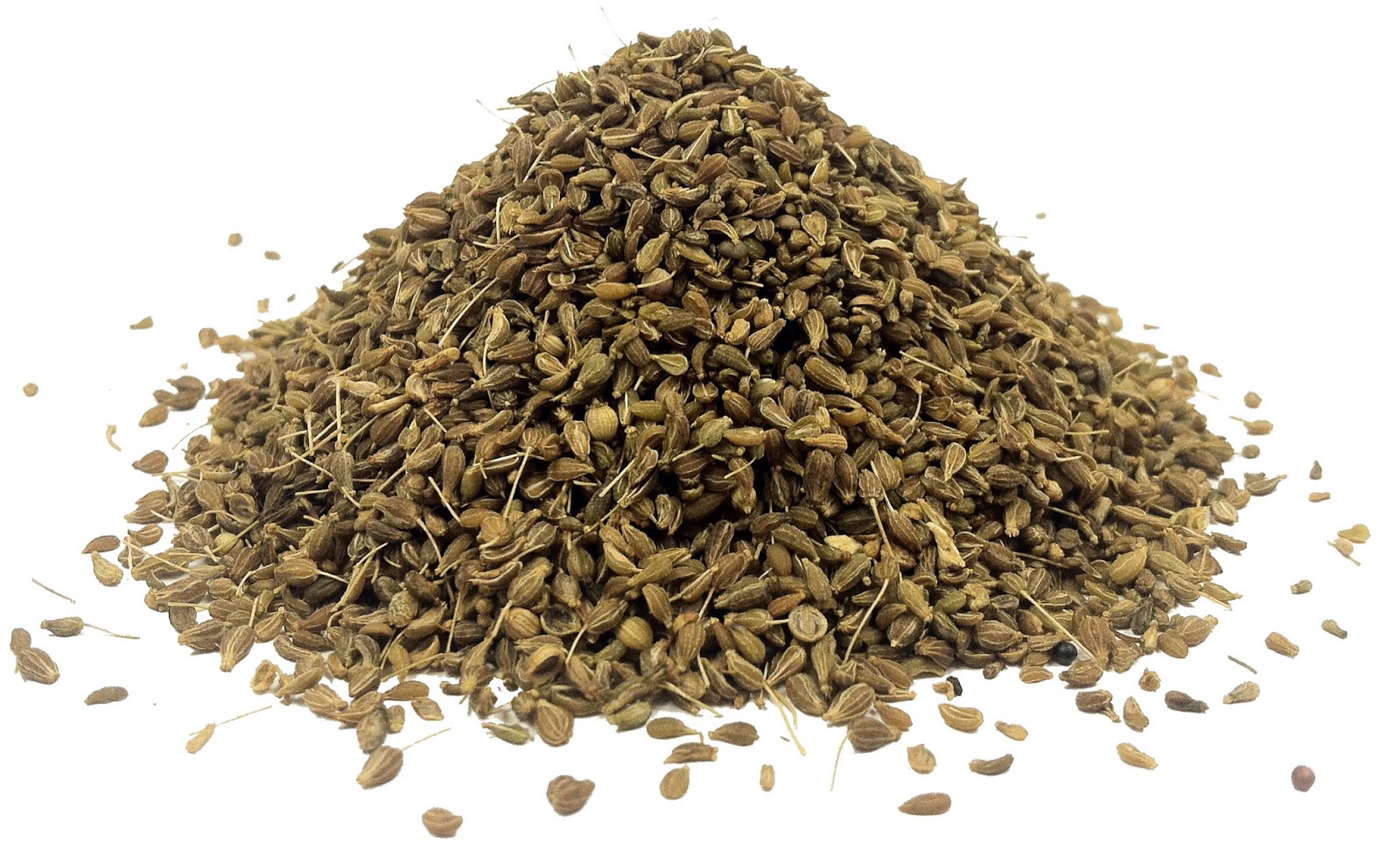 |
| Anise |
Garlic is used in
sautéing meats and vegetables. It’s also pureed with lemon juice, oil and is
used as a tasty tangy sauce to broiled chicken. Garlic is also believed to
prevent certain cancer.
 |
| Garlic |
Nutmeg is a popular in the
west as an ingredient in pastries and cookies, it also used in the Middle East
as a spice in heavy stews. It has a strong anti-inflammatory property that is
very beneficial especially to those who are suffering arthritis. An excessive
amount (6 tbsp per day) of this spice is harmful and may cause hallucinations
and diarrhea.
 |
| Nutmeg |
Mixed spices or locally known
as Baharat. It is composed of seven or more spices on the list that is often
used in chicken broilers and meat skewers. The composition and the measurement
of each spice vary depending on the region and country. Each of the Middle
Eastern countries has their own version of the mixture.
 |
| Mixed Spices |
Comments
Post a Comment